Stellar Visuals: Using Realistic Nebula Backgrounds
There is a specific challenge in modern design that deals with depth. We often work with flat screens and static images, yet we are tasked with creating an experience that feels immersive. When you are designing a website header, a presentation slide, or a marketing poster, the background sets the entire mood. A simple gradient is safe, but it rarely commands attention. This is where the cosmos becomes your greatest asset. Utilizing Realistic Nebula Backgrounds allows you to instantly transport your viewer into a different atmosphere, offering a sense of infinite space and wonder that flat colors simply cannot achieve.
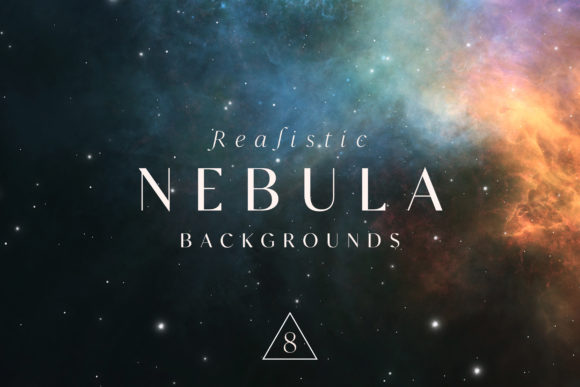
The set we are discussing includes eight distinct high-resolution files. These are not vague, abstract blobs of color; they are carefully crafted design assets intended to mimic the grandeur of deep space. With dimensions of 5000x3000 pixels and a DPI of 300, the clarity is impeccable. Whether you are working on print design like large format posters or high-definition digital displays, the resolution holds up without pixelation. For any creative professional, having a library of textures like this is essential for building visual narratives quickly.
The Aesthetic Power of Cosmic Textures
Visual style matters more than ever. In a crowded market of social media graphics and digital ads, you need imagery that stops the scroll. The Realistic Nebula Backgrounds offer a complex interplay of light, shadow, and gas clouds that naturally draws the eye. They possess a personality that is both mysterious and vibrant. Depending on the specific image you choose from the set, the palette can range from deep, moody blues and purples to fiery oranges and pinks. This versatility makes them suitable for a wide array of brand identity projects.
Consider the impact on visual hierarchy. When you place text or a product image over a busy background, readability is often compromised. However, space backgrounds have a unique quality. The depth of field in these images creates natural areas of lower density where text can sit comfortably. This allows you to create contrast without making the design feel cluttered. It is a practical solution for web design hero sections where you need the text to pop but also want a background that feels premium.
Applications in Branding and Marketing
For entrepreneurs and small business owners, the visual presentation of your product is half the battle. You do not always have the budget for a custom photoshoot or a 3D rendering team. This is where stock design assets bridge the gap. Using these nebula backgrounds in packaging design or greeting cards can elevate a standard product into something that feels luxurious and "out of this world."
Imagine you are launching a tech startup. The theme of innovation, future, and connectivity is central to your brand identity. A Realistic Nebula Background used in your pitch deck or app design immediately signals that your brand is forward-thinking. It aligns the visual language with the mission statement. Similarly, for music producers or entertainment blogs, these backgrounds provide the perfect gritty yet beautiful backdrop for editorial design and cover art.
Technical Quality for Professional Use
One of the most common pitfalls in using stock imagery is poor file quality. Low resolution makes a brand look amateurish. Because these files are delivered at 300 DPI, they are fully optimized for commercial printing. This is a crucial detail for anyone involved in flyer distribution or poster creation. You can scale these images significantly without losing the sharpness required for professional output.
Furthermore, the JPG format ensures compatibility across almost all software, from Adobe Photoshop to Canva. This ease of use is vital for busy marketers and content creators who need to work efficiently. You are not just buying a picture; you are buying a workflow improvement. The ability to drag and drop a high-quality, realistic space background into your project saves hours of rendering time or searching through lower-quality libraries.
Practical Tips for Implementation
When integrating these backgrounds into your work, think about the relationship between the foreground and the background. Here are a few practical recommendations for using the Realistic Nebula Backgrounds effectively:
- Typography Contrast: Since nebulae are often colorful, stick to clean sans-serif fonts for body text to ensure legibility. A bold, white sans-serif typeface creates a strong anchor against the colorful swirls of the nebula.
- Color Grading: Even though the backgrounds are beautiful, don't be afraid to apply a slight color overlay or adjustment layer to match your specific brand palette. A subtle tint can help unify the background with your logo or product colors.
- Opacity and Blur: For phone cases or wallpapers where icons might be placed on top, consider adding a slight Gaussian blur to the background. This keeps the cosmic vibe but reduces visual noise, making your interface or text easier to read.
- Focal Points: Look at the specific composition of each of the eight images. Some will have brighter centers, while others might have darker edges. Use the darker areas to place your critical information, such as dates on a flyer or a "Buy Now" button on a website.
Expanding Your Creative Toolkit
Creativity often sparks when we have new tools to play with. A set of Realistic Nebula Backgrounds is not just for space-themed projects. Think abstractly. These textures can simulate marble, smoke, or liquid effects depending on how you manipulate them. A designer might use one of these images as a clipping mask for text in logo design, creating a metallic or iridescent look that feels modern and high-end.
For those in the education or presentation sector, space imagery is universally engaging. It captures the imagination of students and stakeholders alike. Using these backgrounds in a Keynote or PowerPoint presentation transforms a mundane data review into a journey. It shows that you value the viewer's experience enough to provide high-quality visuals.
Ultimately, the value of these assets lies in their versatility and quality. They provide a solution for creating premium looking content across a multitude of mediums. From digital app interfaces to physical flyers and wallpapers