Pressed Flower Vintage Floral Backgrounds: A Guide to Timeless Design
There's a particular kind of beauty in a forgotten flower, pressed between the pages of a book. It’s a quiet, nostalgic elegance that feels both personal and timeless. This is the exact feeling captured in the Pressed Flower Vintage Floral Backgrounds collection. More than just a set of digital papers, this is a toolkit for infusing your projects with warmth, story, and a touch of handcrafted charm. If your creative work feels a bit too sterile or digital, these backgrounds offer a direct path to a softer, more authentic aesthetic.
Understanding the Visual Personality
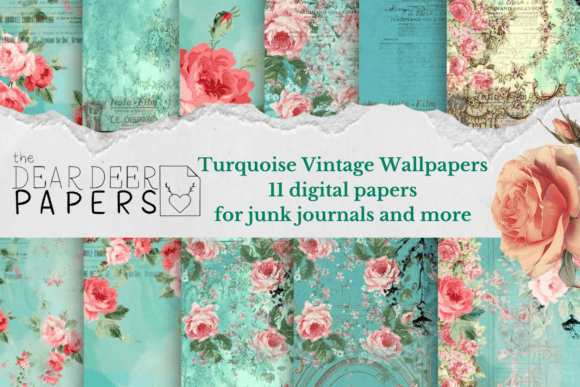
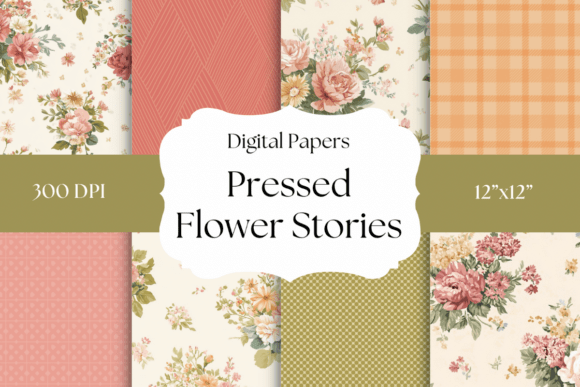
At its core, the Pressed Flower Vintage Floral Backgrounds set is a curated mood. It’s built on a foundation of warm blush tones, muted dusty greens, and creamy, off-white backgrounds that avoid harshness. The designs themselves blend several key elements: delicate, realistic floral clusters that look genuinely dried and preserved; classic geometric patterns like diamonds and gingham; and subtle, cozy textures that mimic aged paper or linen. This combination creates a versatile palette that is romantic without being saccharine, and vintage without feeling dated.
The personality here is soft, thoughtful, and slightly romantic. It evokes the feeling of a sunlit afternoon spent in a cozy room, surrounded by heirlooms and handwritten letters. This isn't a bold, in-your-face graphic style. Instead, it’s a supporting actor that adds depth, warmth, and context to your primary content. It’s the visual equivalent of a whisper, designed to draw people in rather than shout for attention.
Where This Style Truly Shines
The strength of the Pressed Flower Vintage Floral Backgrounds lies in their adaptability across a wide range of creative and professional contexts. For crafters and hobbyists, the applications are immediately obvious. These are perfect foundations for scrapbooking layouts, junk journal pages, handmade tags, and DIY envelopes. They provide an instant, cohesive backdrop that elevates a simple project into a curated piece of art.
For designers, marketers, and small business owners, the value extends further. Consider a brand identity for a boutique florist, a wedding planner, a skincare line using natural ingredients, or a cozy bed-and-breakfast. Using one of these textures as a subtle background on a website, in social media graphics, or within email marketing can instantly communicate warmth, authenticity, and a handcrafted quality. In packaging design, a gingham or floral texture can line a box or wrap a product, creating a memorable unboxing experience.
Publishers and content creators will find them invaluable for editorial design. They work beautifully as backgrounds for quote cards, chapter title pages in digital magazines, or behind pull-out text in a blog post. For authors, they can serve as the foundation for a book cover or interior chapter art that sets a specific, nostalgic tone. The key is to use them where you want to evoke emotion and create a sense of place and story, rather than for dense blocks of body text.
Integrating These Backgrounds into Your Workflow
Adopting a new design asset like this requires a bit of strategy to ensure it enhances rather than overwhelms. Here’s a practical approach to making the most of the Pressed Flower Vintage Floral Backgrounds.
Evaluating Project Fit and Readability
First, assess if the vintage floral style aligns with your project's core message. It’s an excellent fit for themes of romance, nature, nostalgia, heritage, and comfort. It might be less suitable for a cutting-edge tech startup or a high-energy fitness brand, unless used in a very specific, ironic context. Always prioritize readability. The patterns are designed to be subtle, but when placing text over them, ensure there is sufficient contrast. Often, using a solid-color text box or a semi-transparent overlay on top of the background is the most effective way to maintain visual hierarchy and legibility.
Pairing with Typography
The right font pairing is critical to making these backgrounds work in a polished design. Because the backgrounds have a soft, organic feel, they pair wonderfully with clean, modern typography to create balance. A simple, elegant sans serif font for body text provides excellent readability and a contemporary counterpoint. For headlines, you could use a classic serif font to lean into the vintage feel, or a delicate script font or handwritten font for accents and titles to amplify the personal, crafted aesthetic. Avoid overly ornate or heavy display fonts that might compete with the background's texture.
Practical Testing and Application
Before committing, test the backgrounds in context. Place your logo, key text, and other graphic elements over several options to see which texture best supports your content without distraction. The collection includes 8 distinct files, so you have variety—some are more pattern-heavy (like the gingham or diamonds), while others feature prominent floral clusters. Use the geometric patterns for more structured projects and the floral ones for softer, more organic layouts.
Remember, these are high-resolution, 12"x12" files at 300 DPI, making them suitable for both digital and print projects. For print, this ensures crisp results on stationery, cards, and posters. For digital use, the quality ensures your graphics look sharp on high-resolution screens. The commercial licensing typically included with such sets allows you to use them in projects for sale, which is essential for entrepreneurs and creators building a product line.
Ultimately, the Pressed Flower Vintage Floral Backgrounds are a bridge between the digital and the tangible. They offer a way to bring the nuanced, imperfect beauty of physical keepsakes into the limitless realm of digital creation. By understanding their personality, applying them thoughtfully to the right projects, and pairing them with complementary typography, you can leverage this asset to build a more engaging, recognizable, and emotionally resonant body of work. It’s about adding a layer of soul to your pixels.